Walk-In Showers – Frequently Asked Questions
1. What is a walk-in shower?
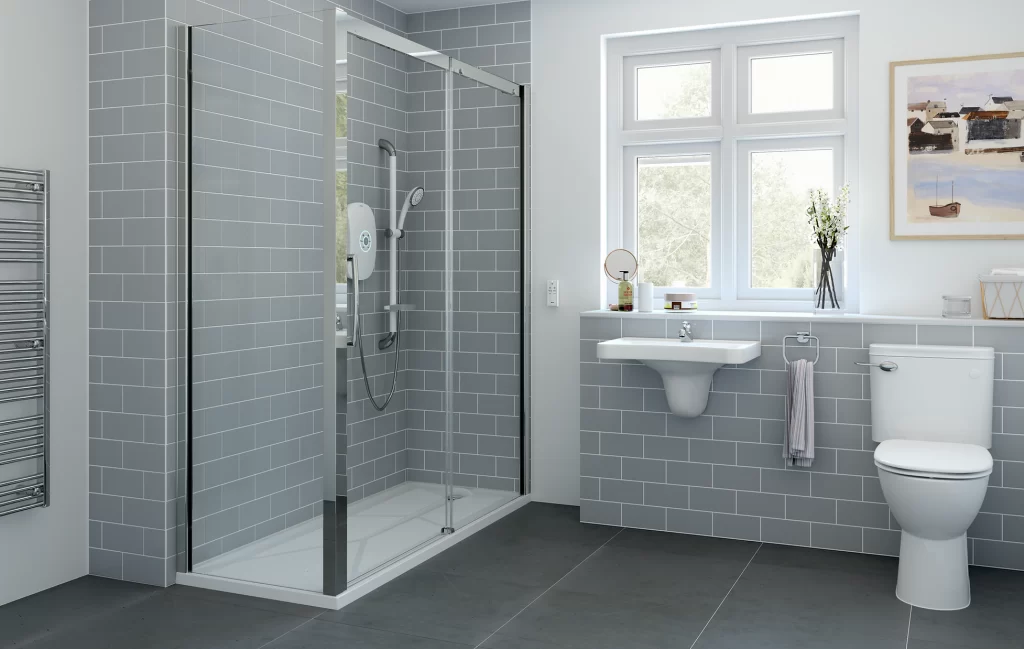
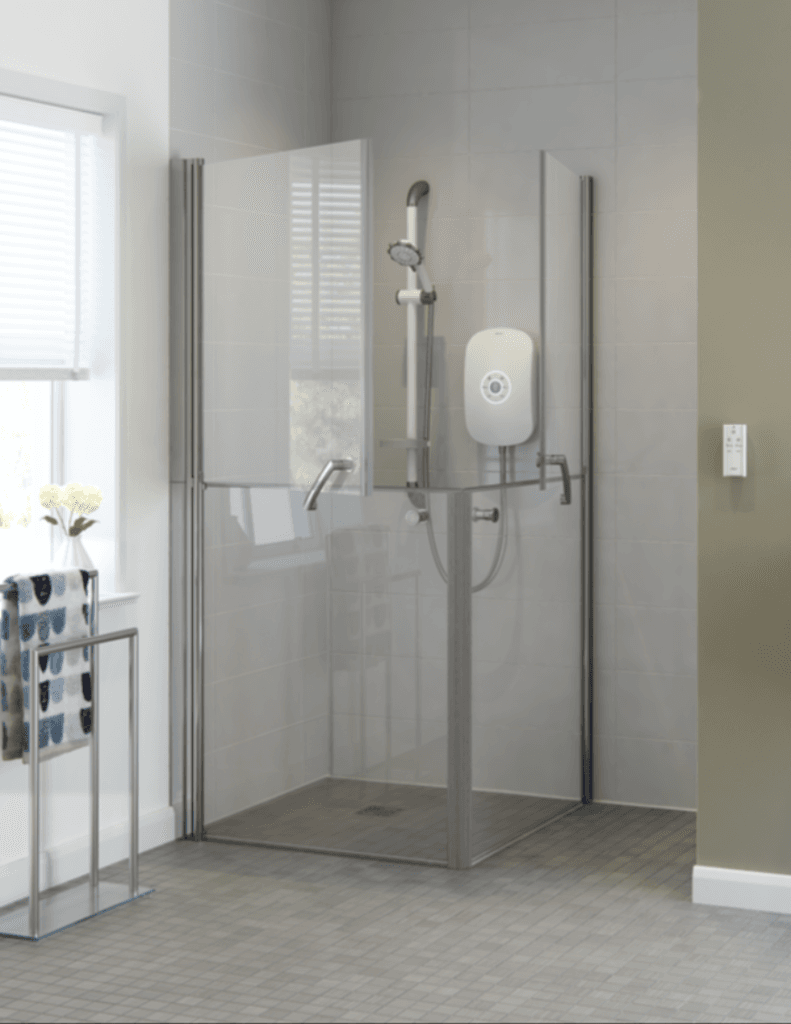
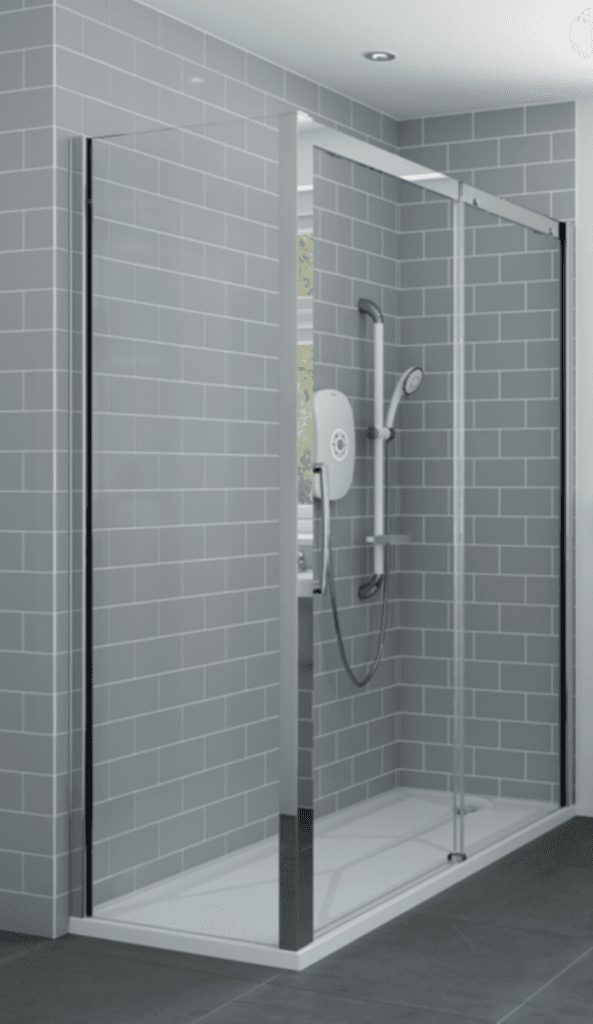
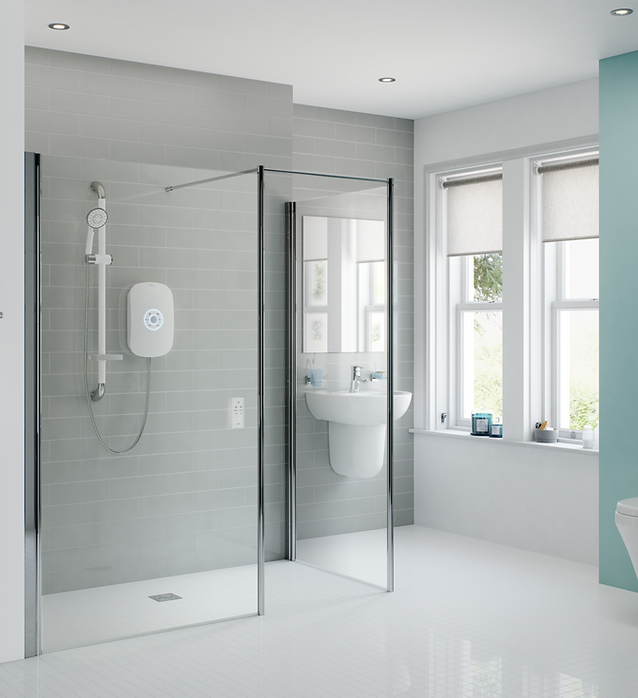
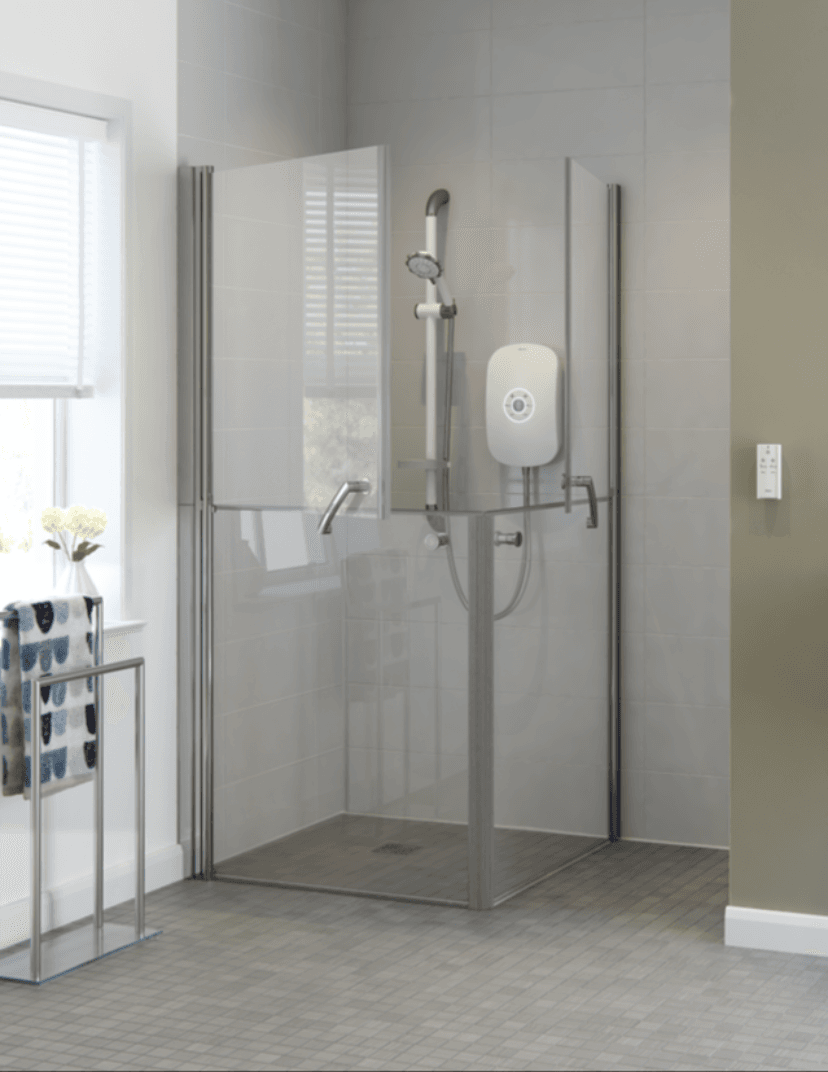
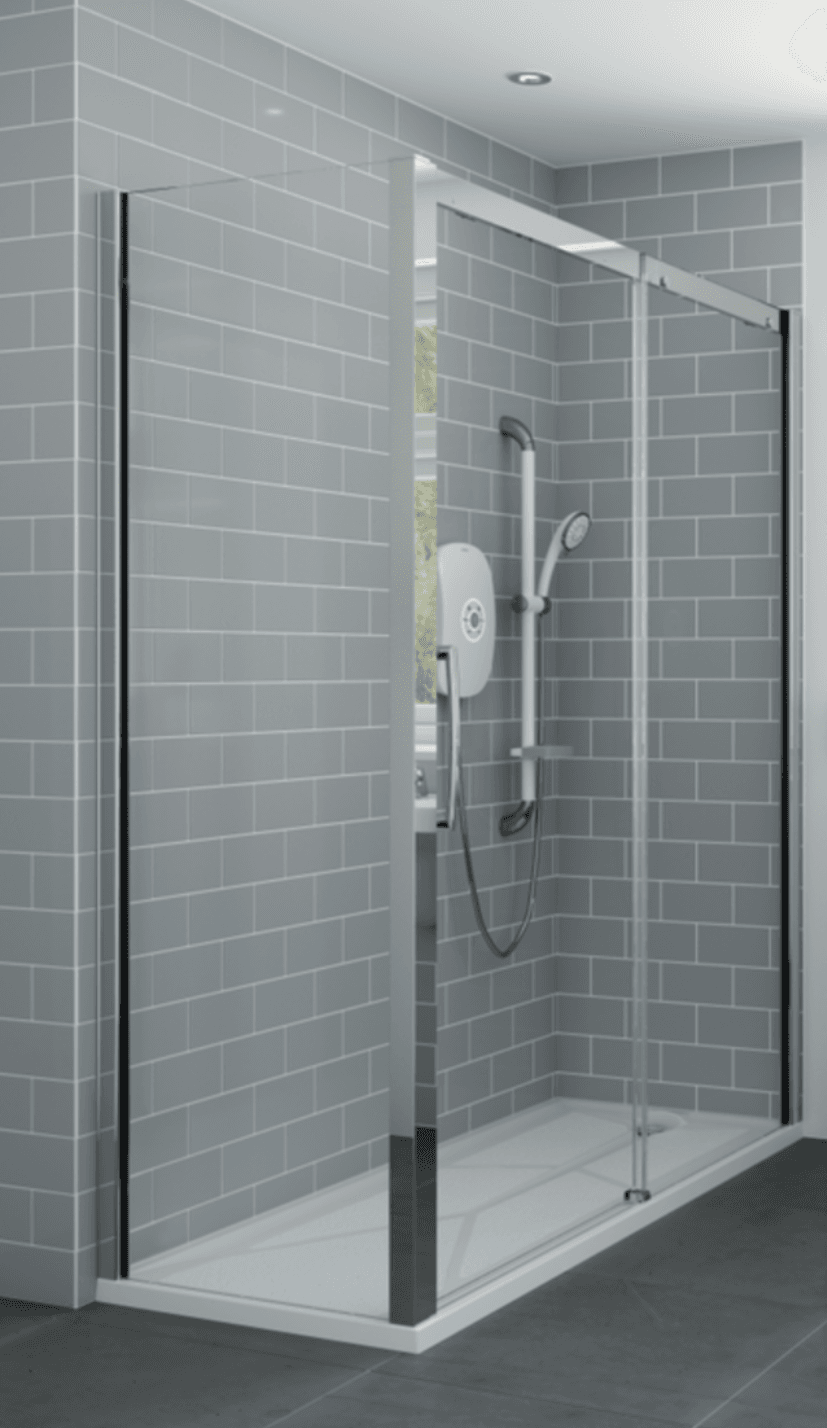
A walk-in shower is a low-level or level-access shower designed to eliminate the need to step over a high tray or bath edge. It provides safer and easier access for people with reduced mobility.
2. What is the difference between a walk-in shower and a standard shower?
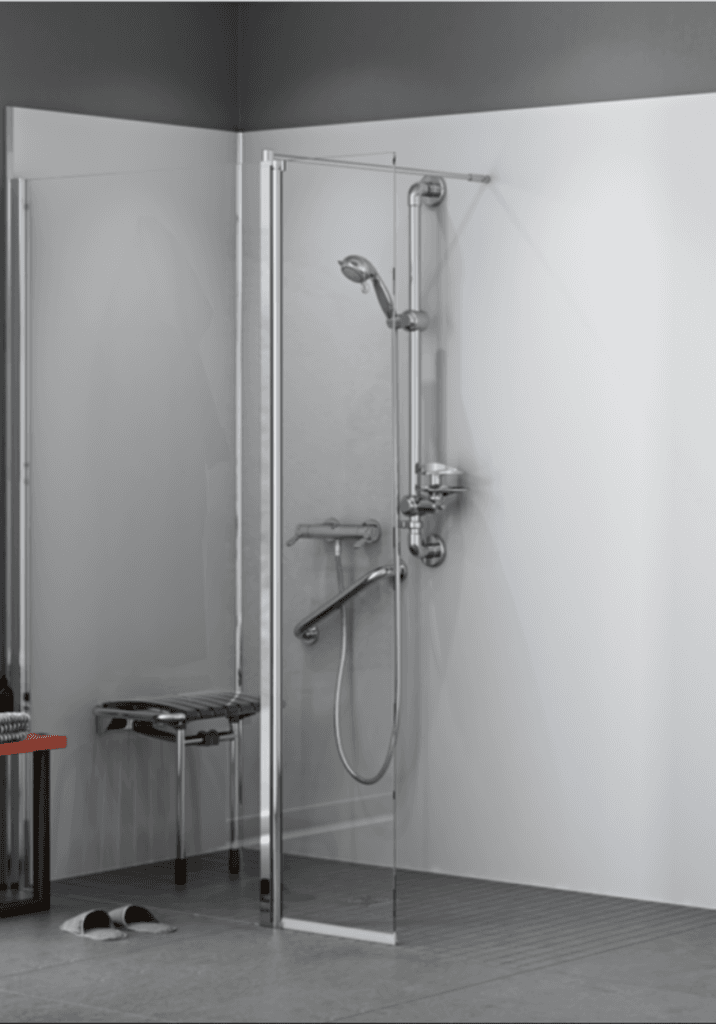
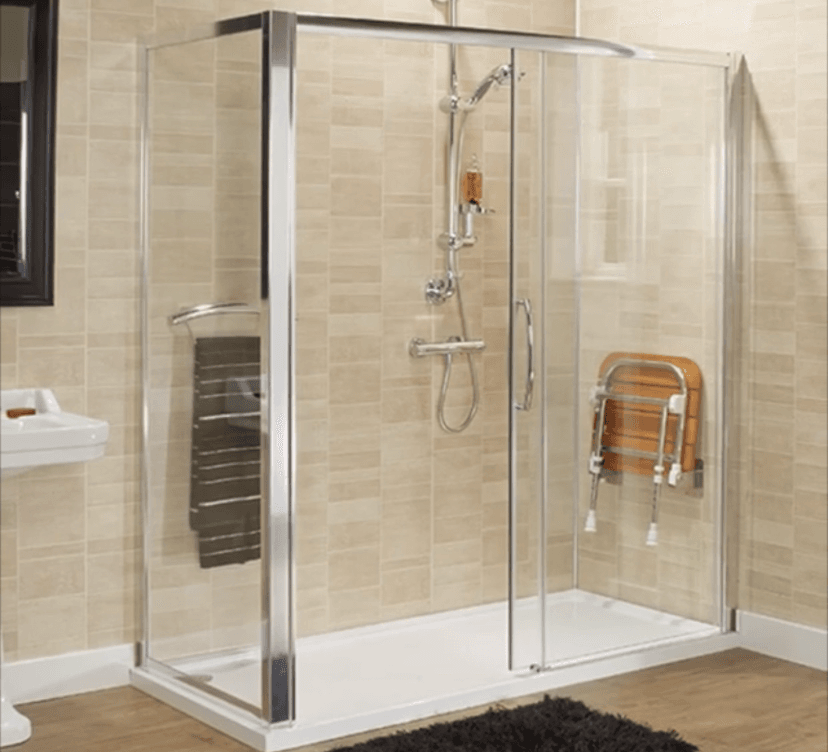
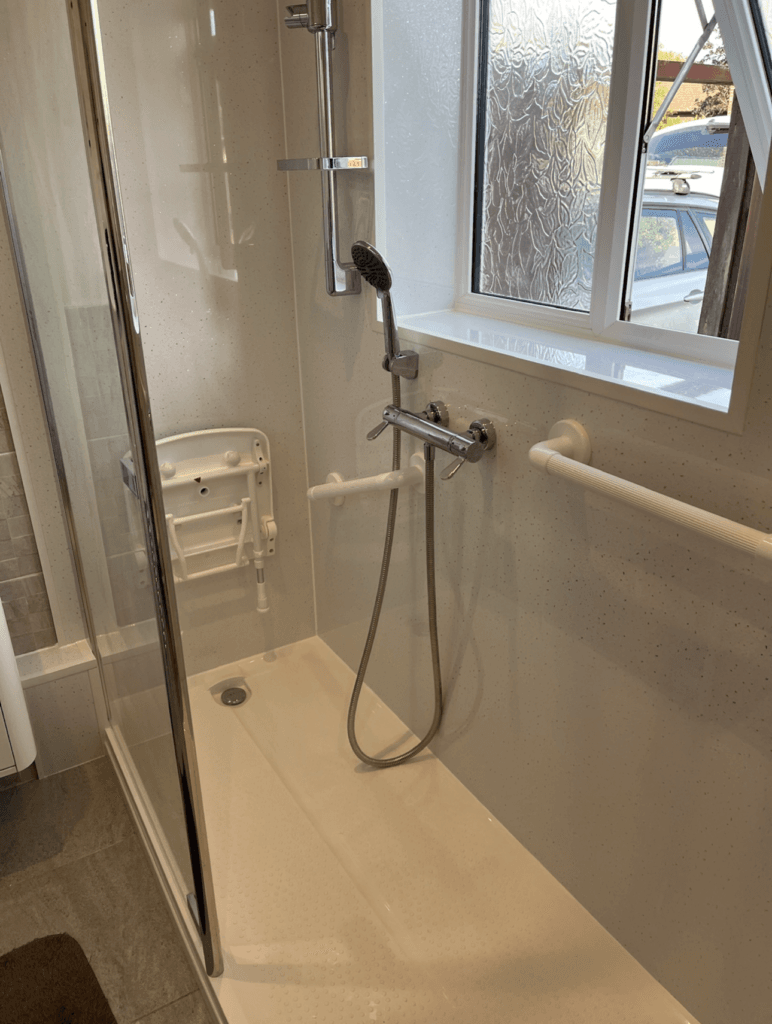
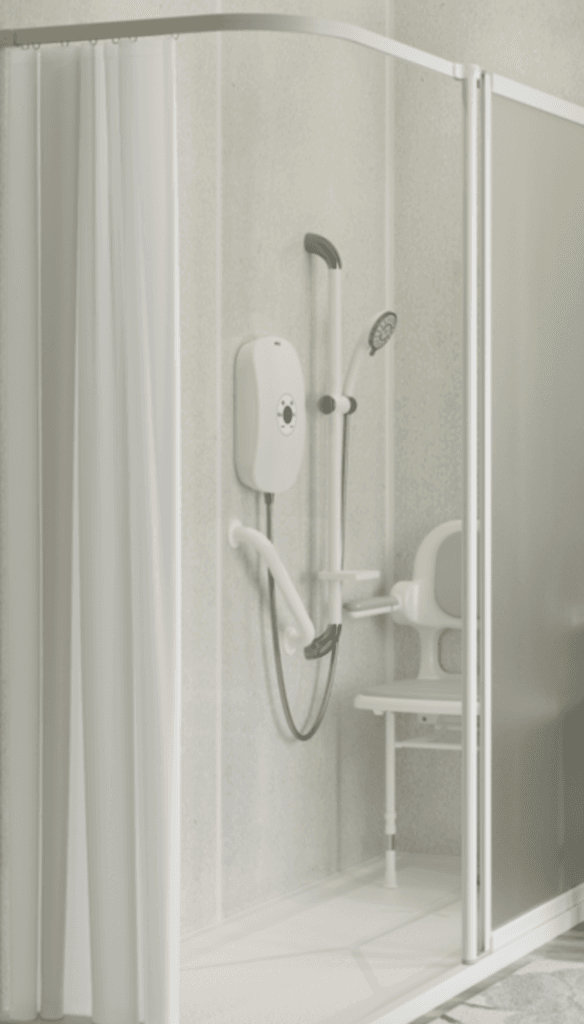
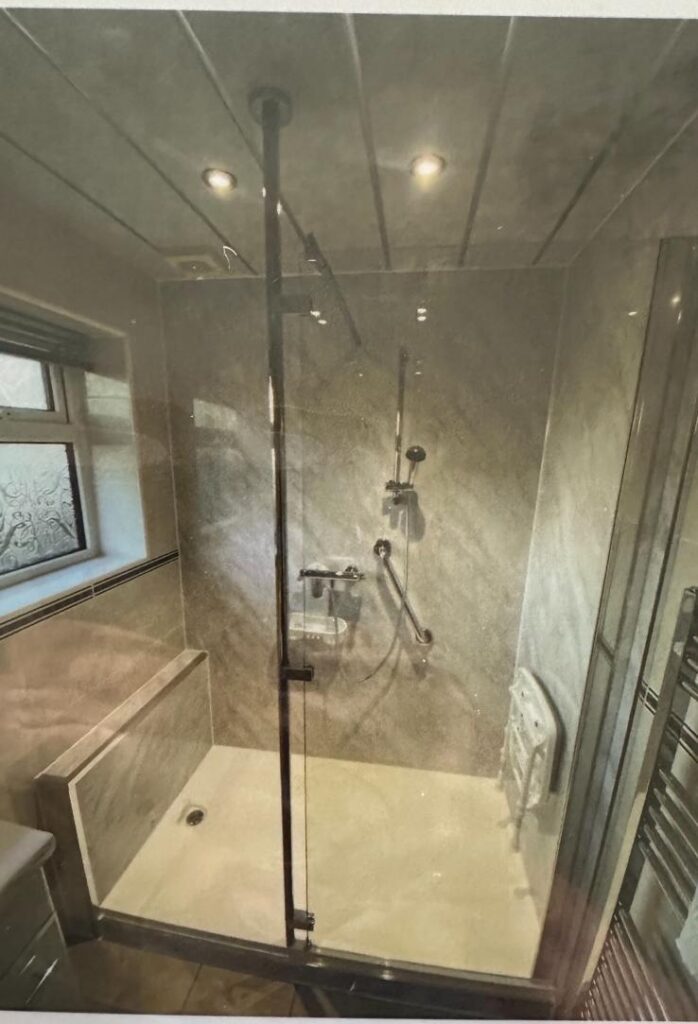
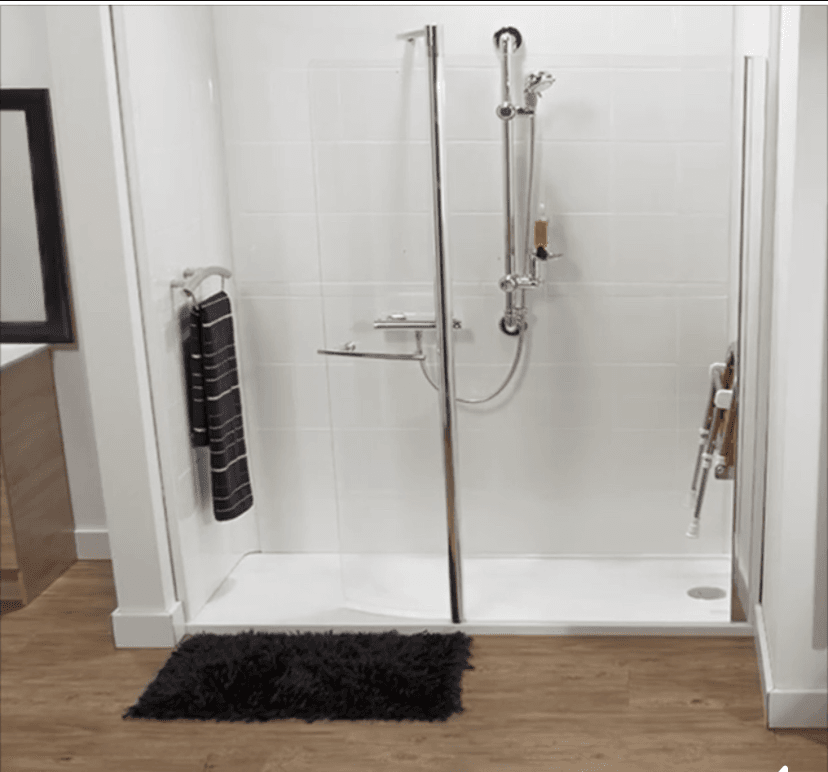
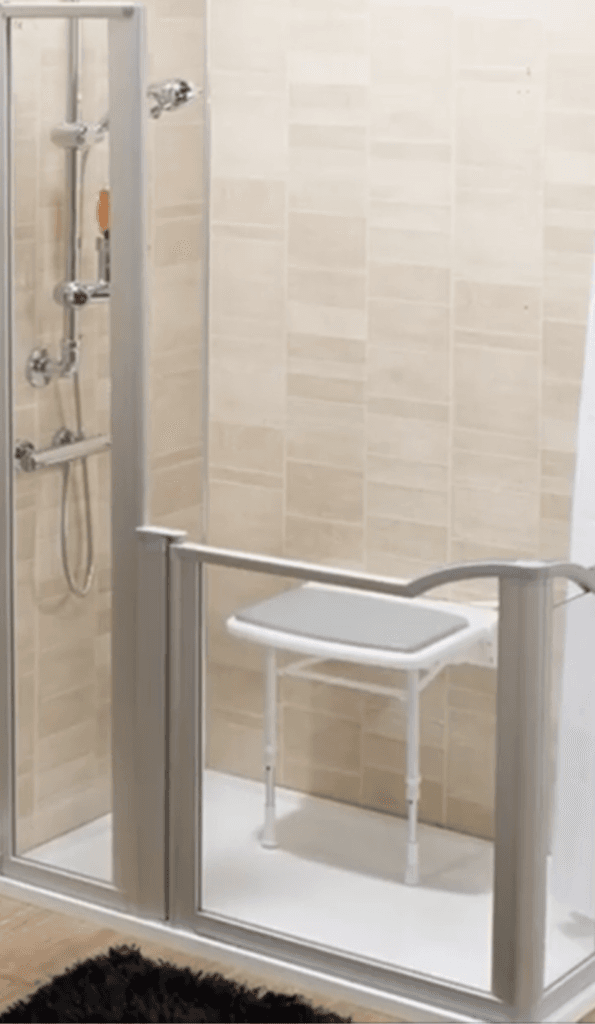
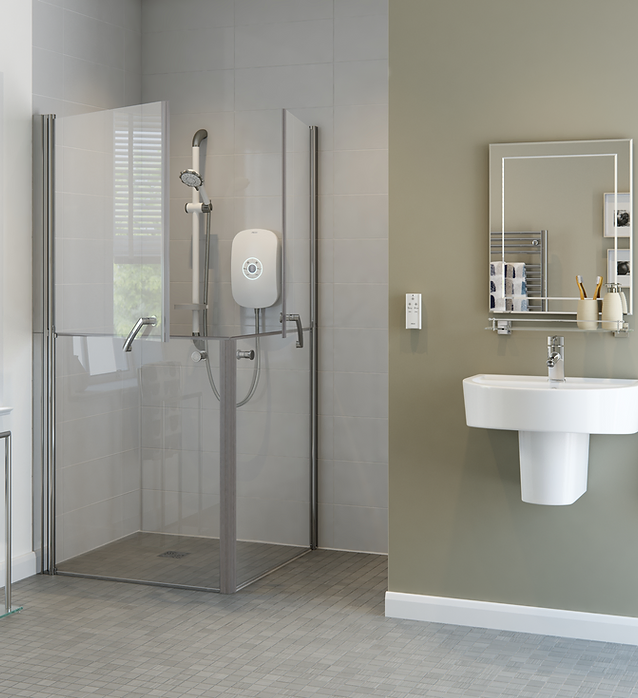
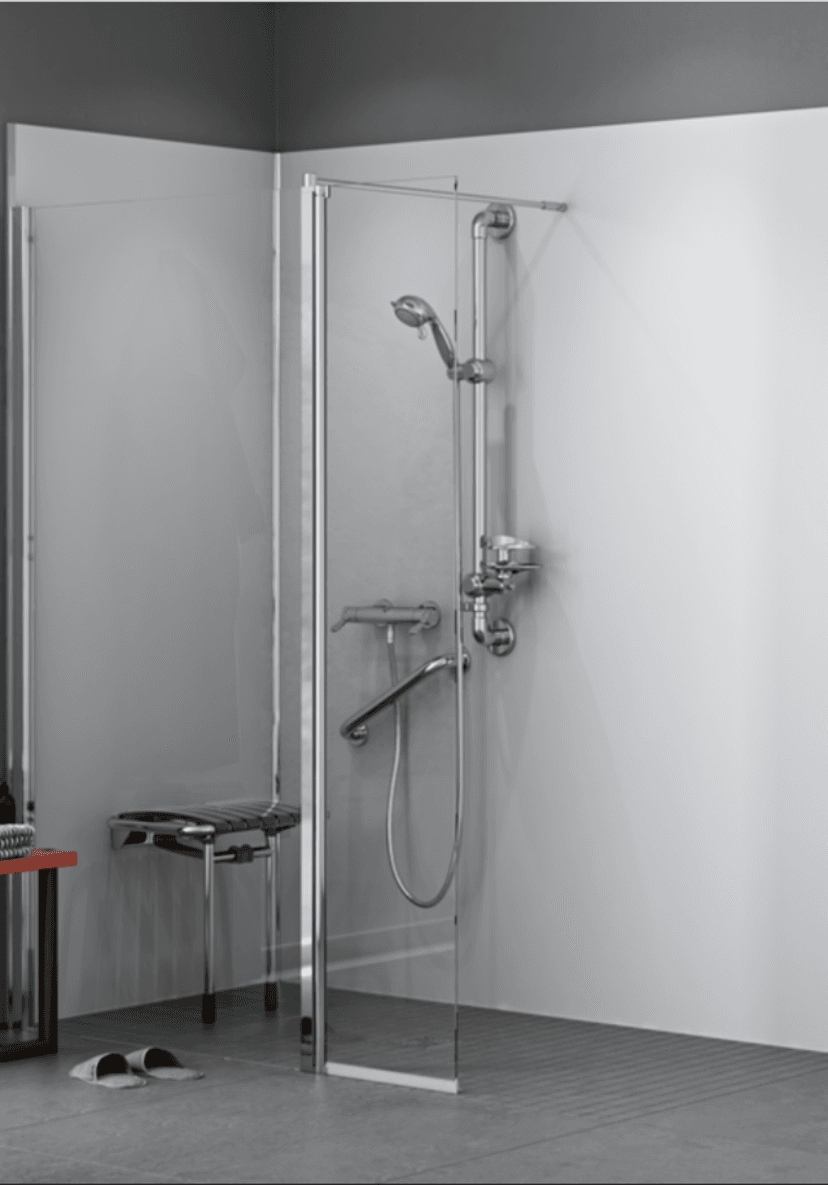
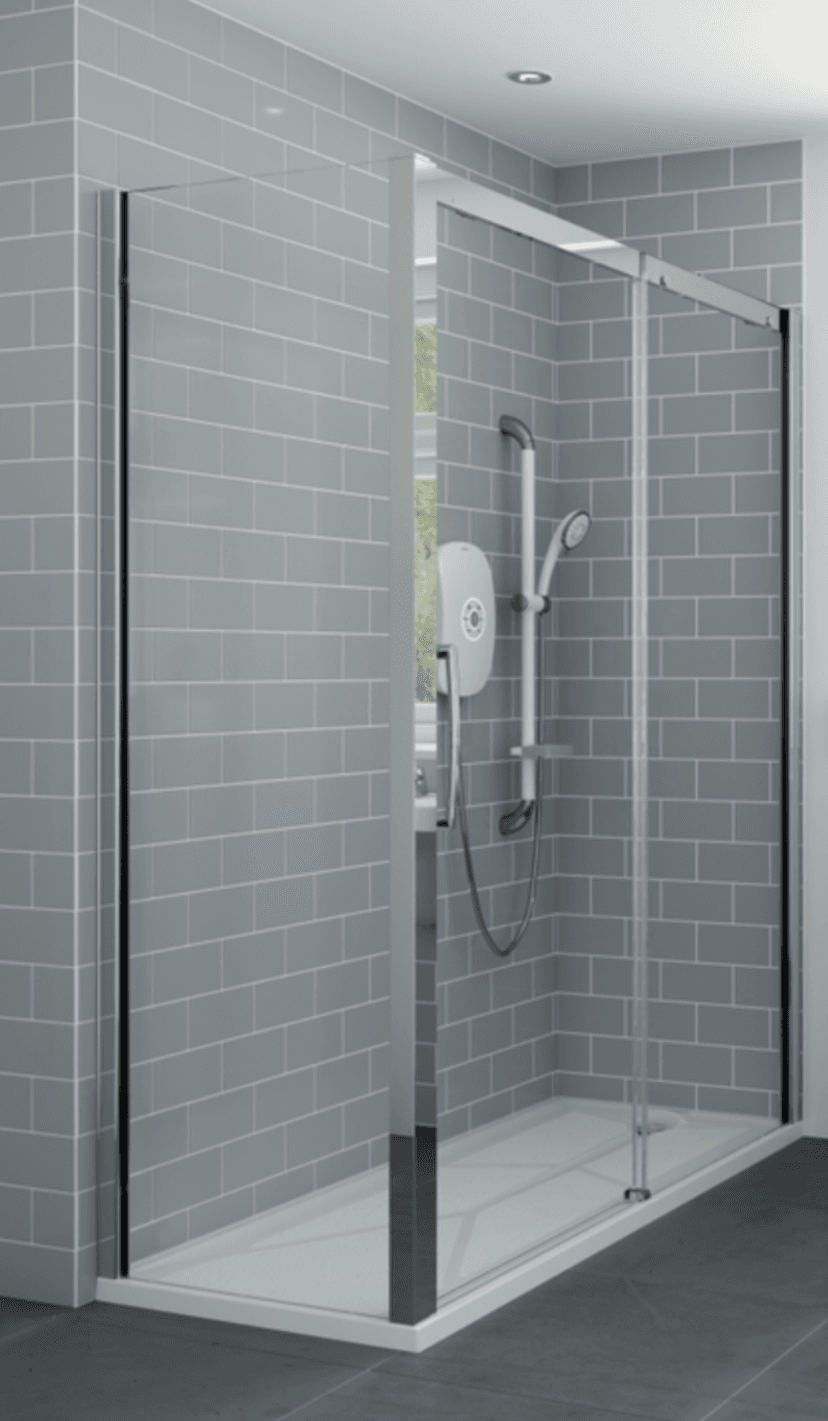
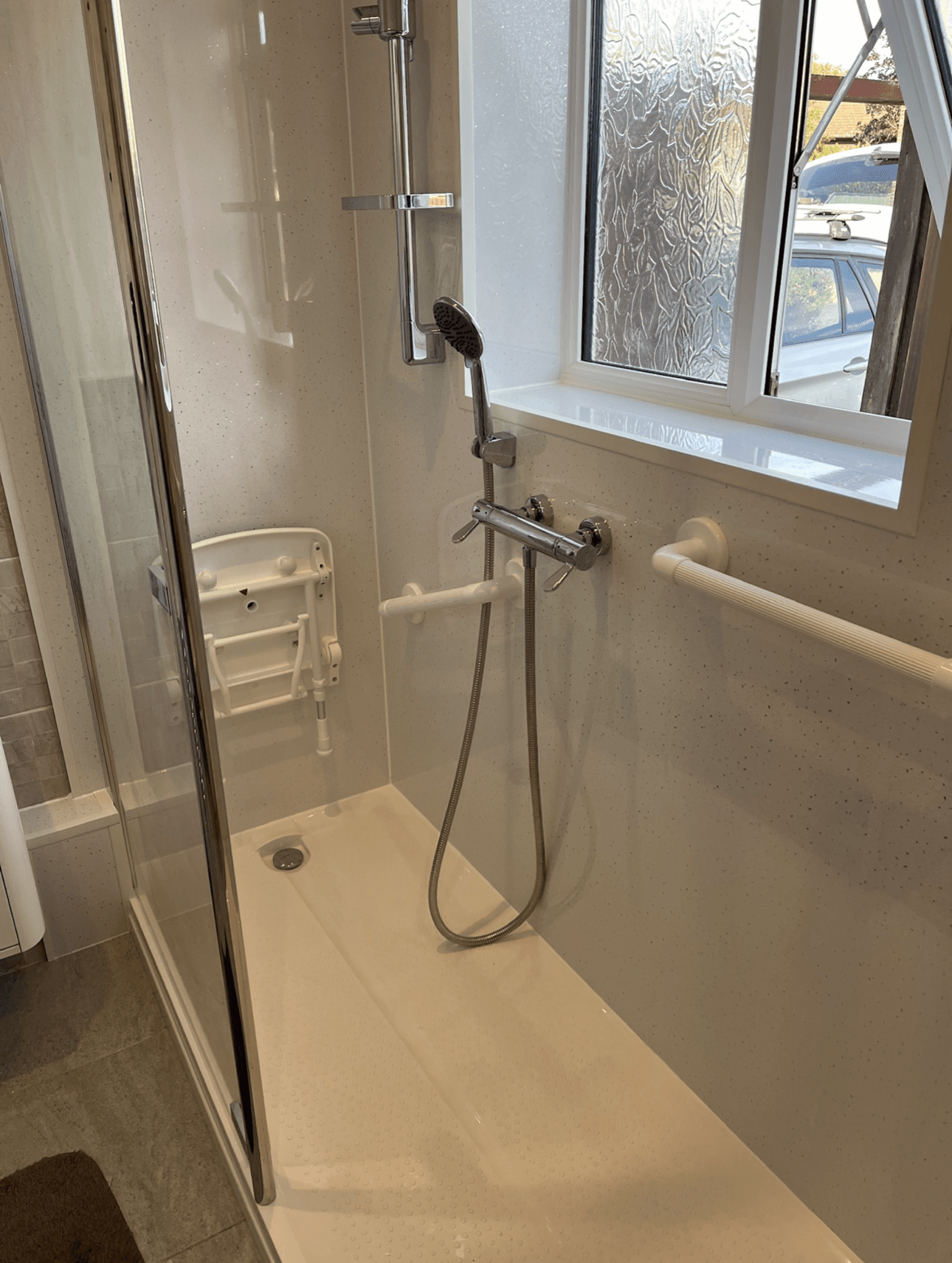
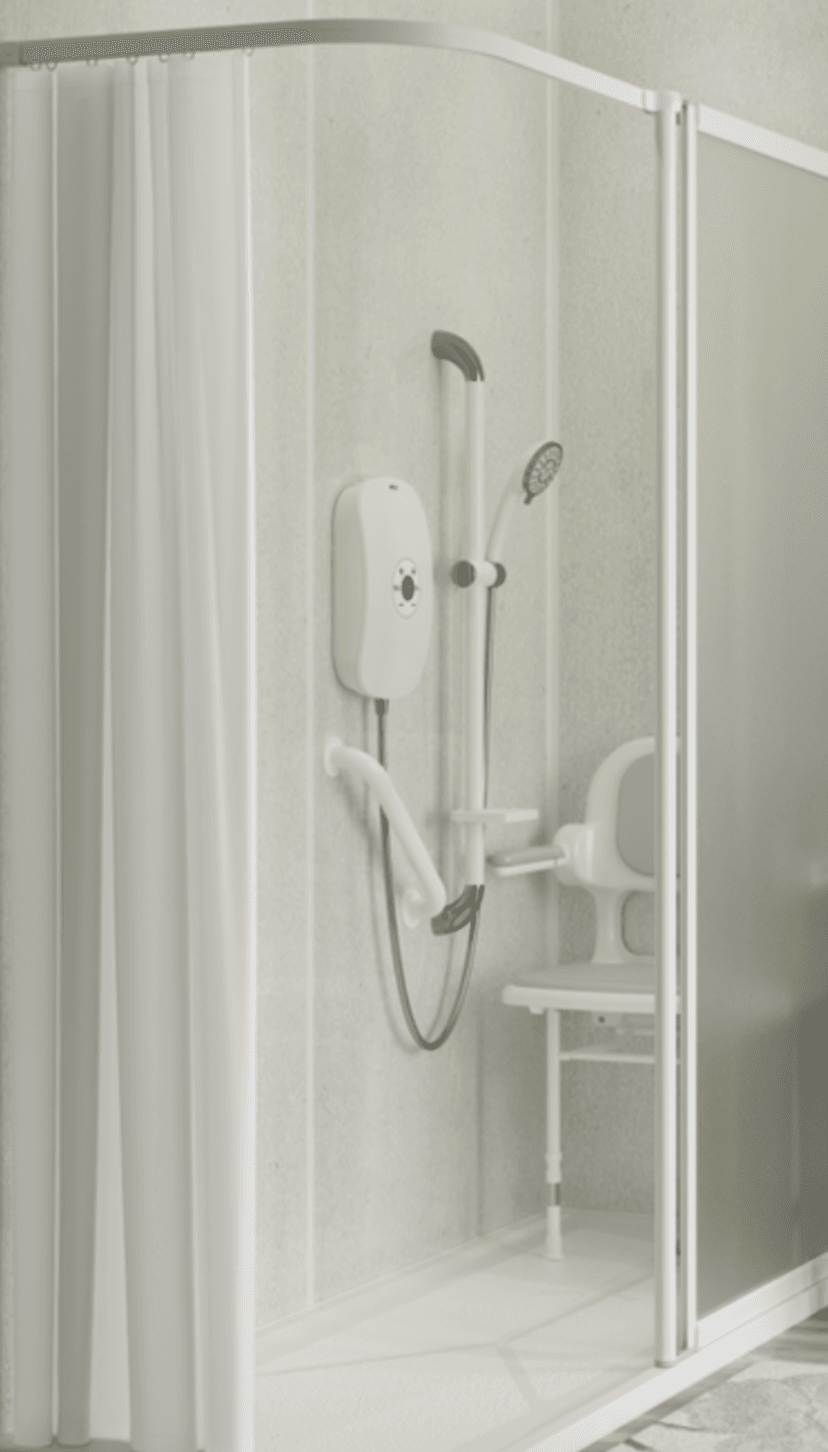
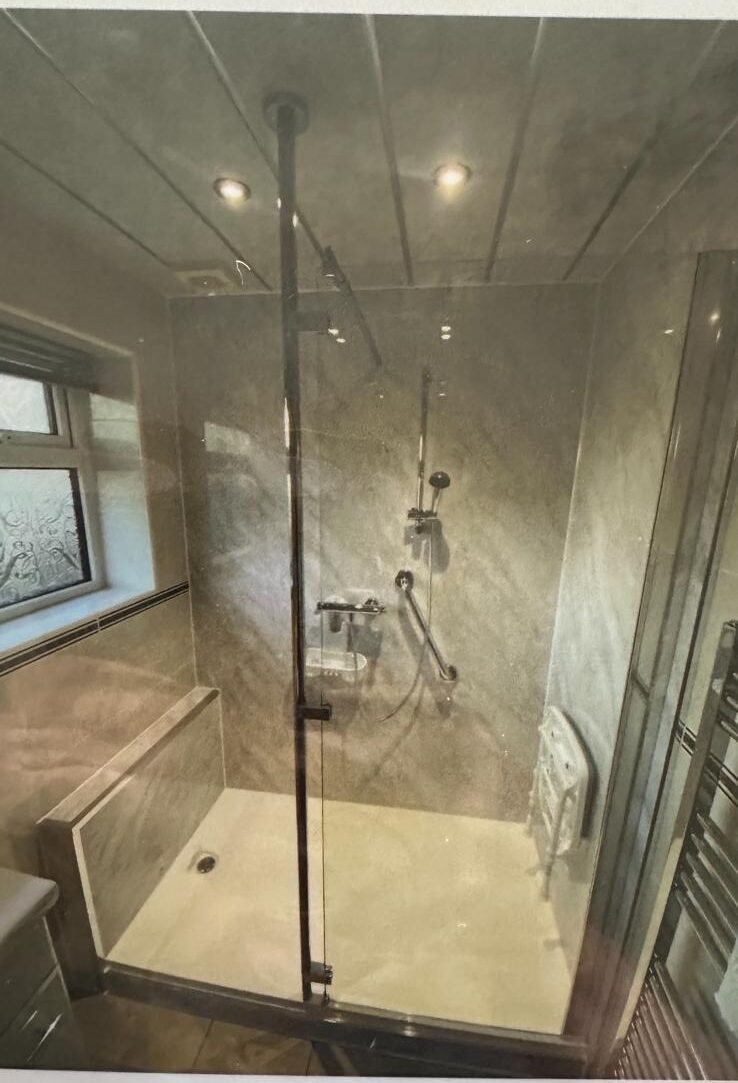
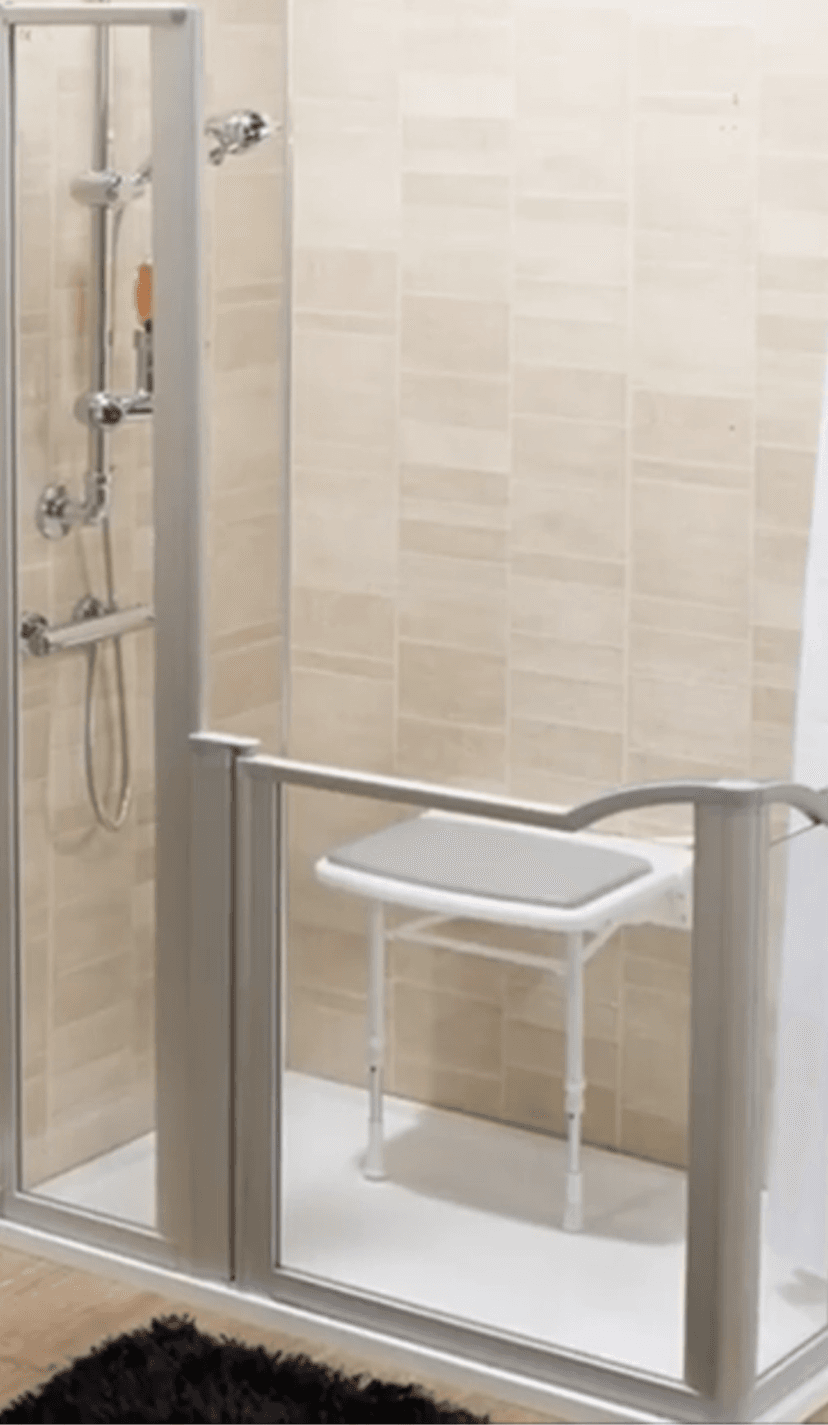
A walk-in shower typically features a low or flush shower tray, anti-slip flooring, wider access and mobility aids such as grab rails or fold-down seating.
3. Are walk-in showers suitable for wheelchair users?
Yes. Certain designs offer level access with sufficient turning space for wheelchair users. A home assessment ensures the layout meets your accessibility needs.
4. Can I replace my bath with a walk-in shower?
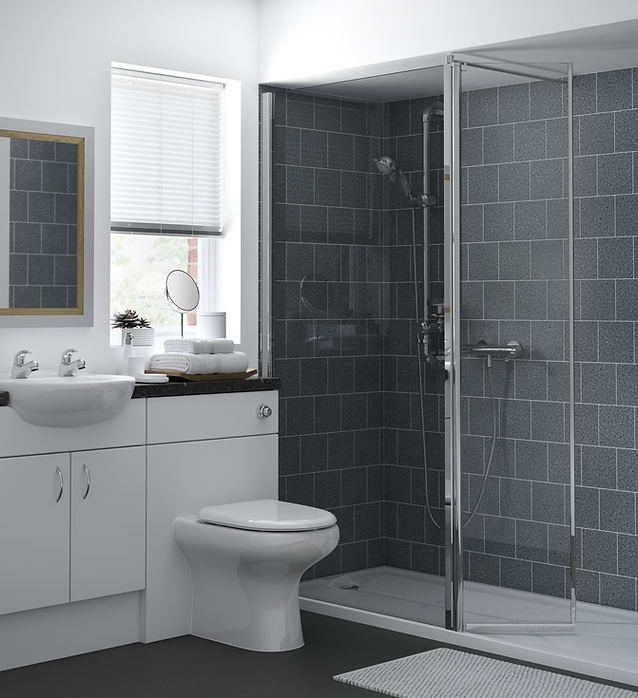
Yes. Many customers choose to replace an existing bath with a walk-in shower to create more space and improve safety.
5. Do walk-in showers leak or cause water damage?
When professionally installed, walk-in showers are fully sealed and waterproofed. Proper drainage and installation are essential to prevent leaks.
6. Are walk-in showers slippery?
No. Mobility showers use anti-slip trays or flooring to reduce the risk of slipping.
7. Can I add grab rails and seating?
Yes. Walk-in showers can include securely fitted grab rails, fold-down seats and easy-reach controls for added safety and comfort.
8. How long does installation take?
Most installations are completed within a few days, depending on whether structural or plumbing adjustments are required.
9. Are walk-in showers easy to clean?
Yes. Many designs use smooth wall panels rather than tiles, reducing grout lines and making cleaning simpler.
10. Are walk-in showers a good option for ageing in place?
Yes. Walk-in showers are often chosen as a long-term solution to support independent living and future mobility needs.