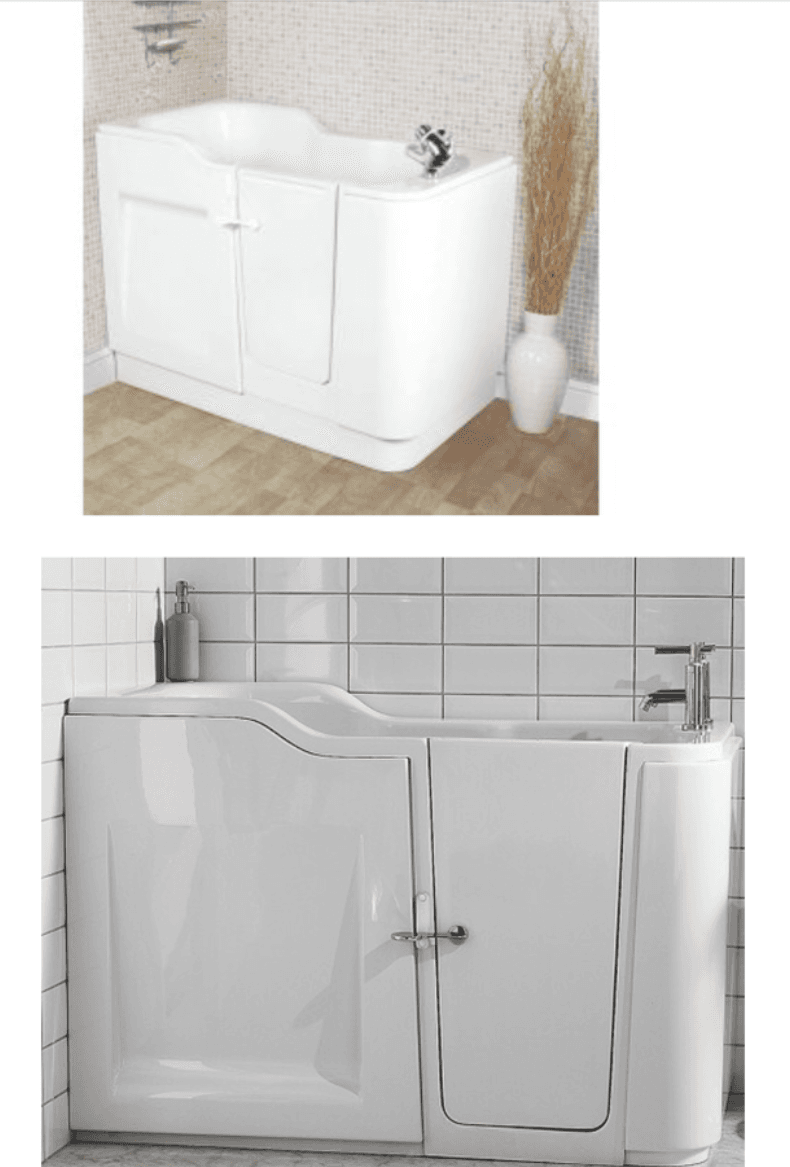
Walk-In Baths – Frequently Asked Questions
1. How does a walk-in bath work?
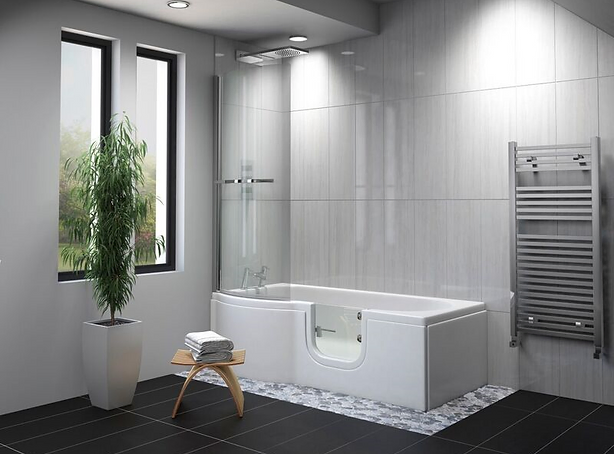
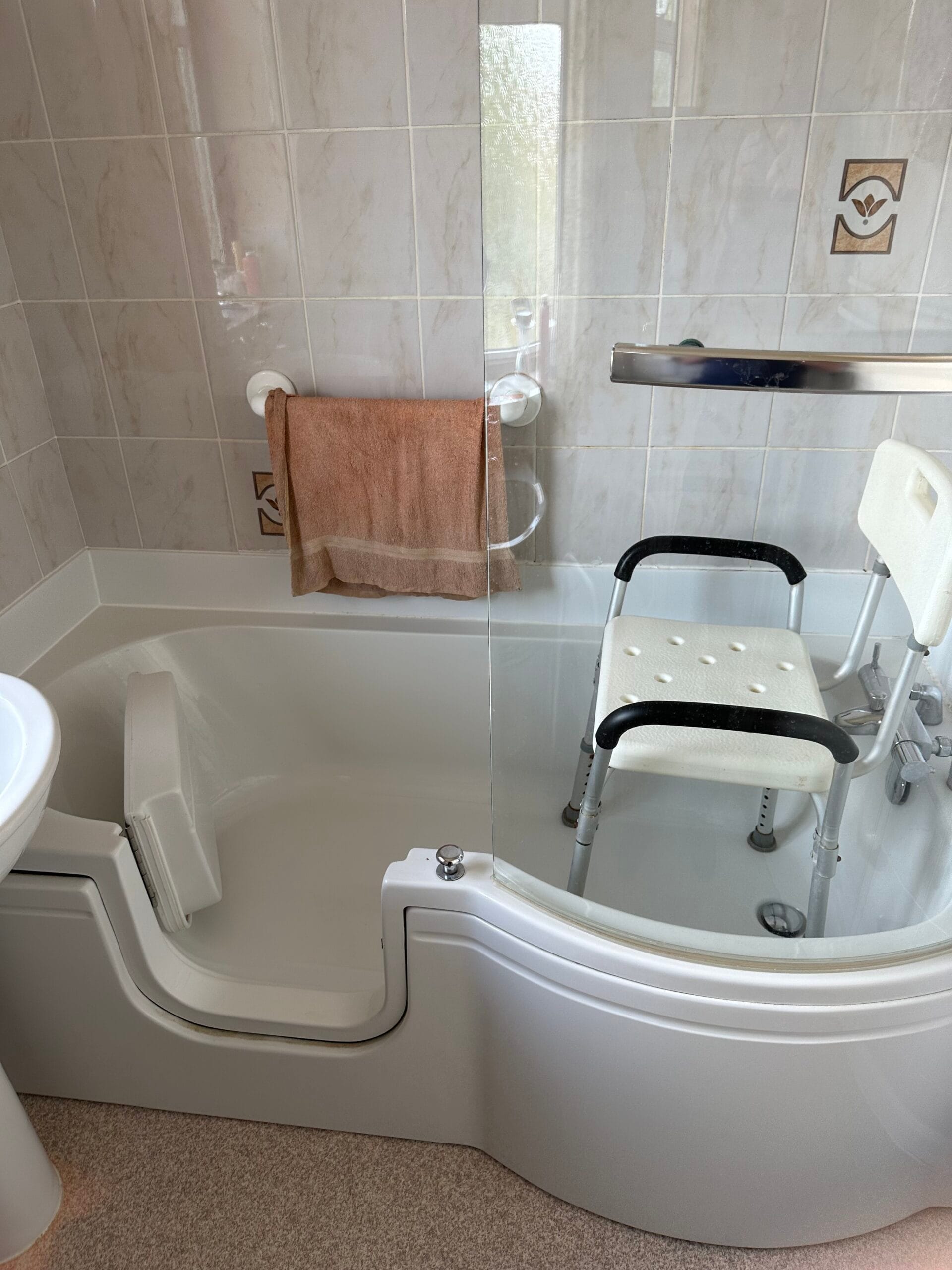
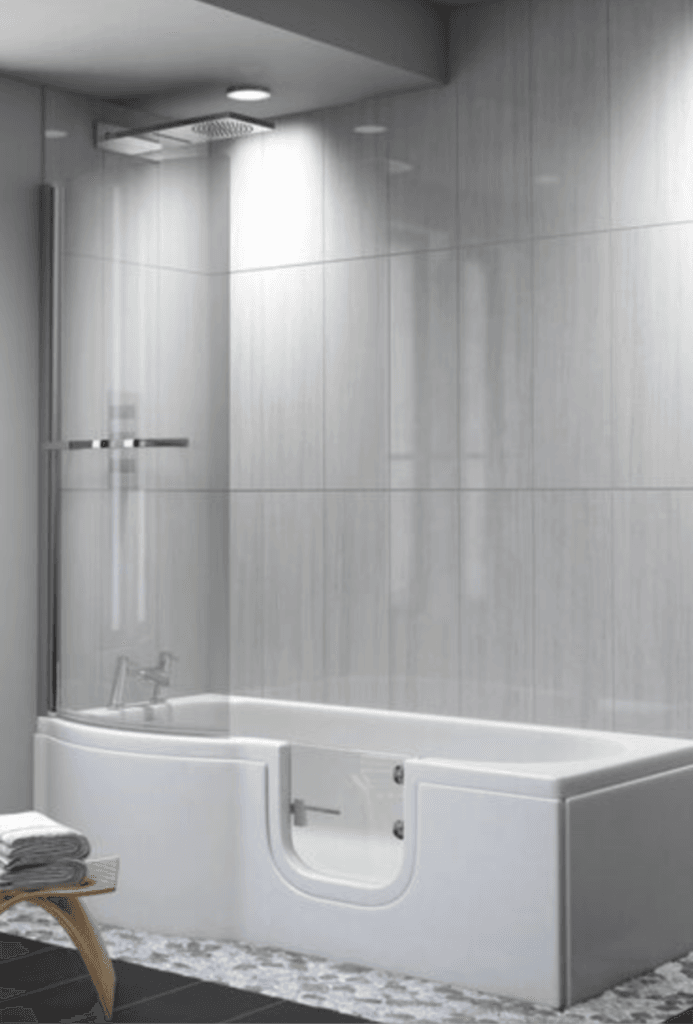
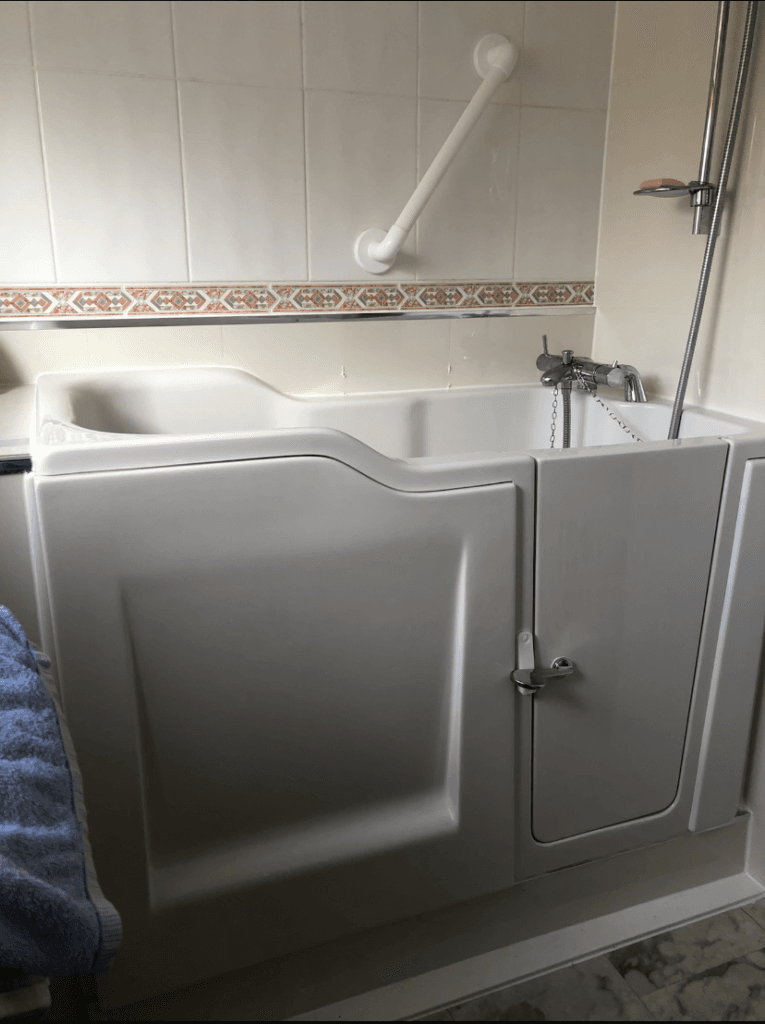
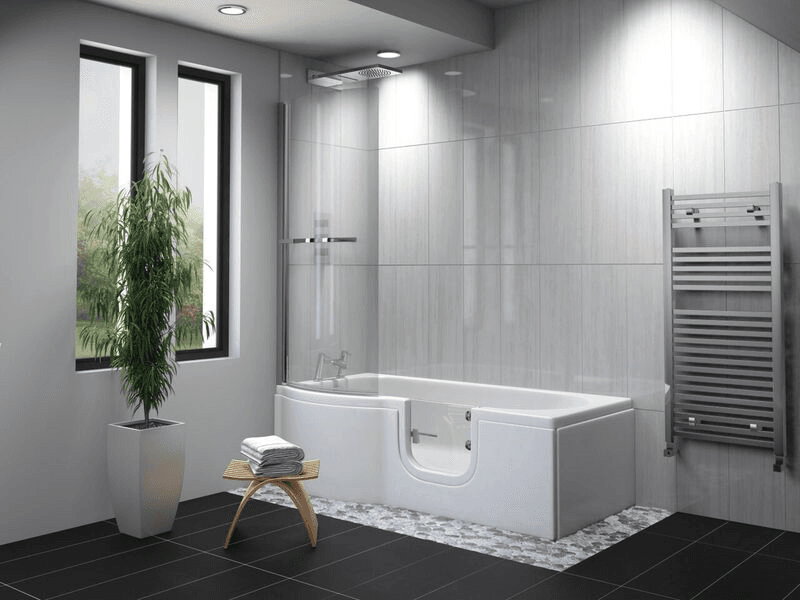
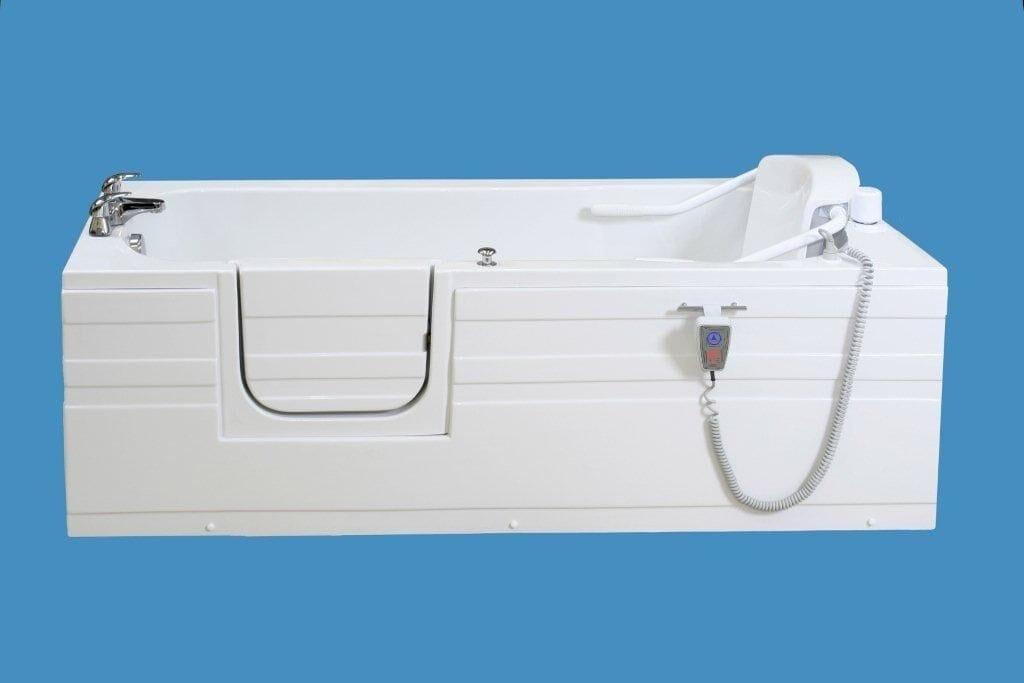
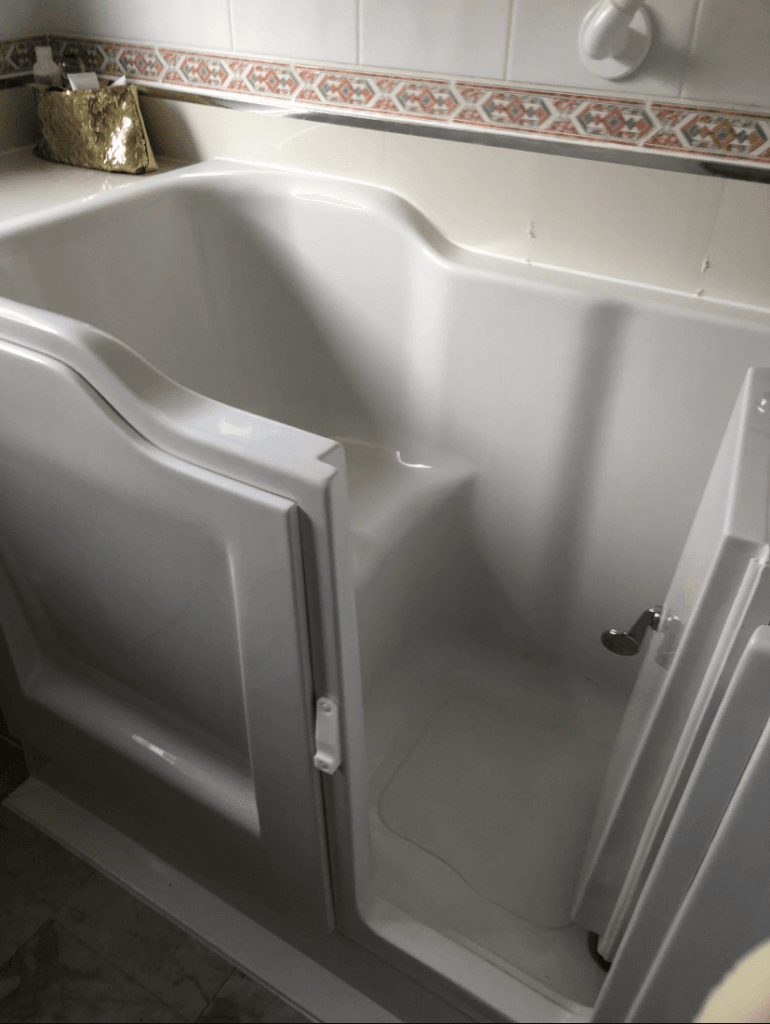
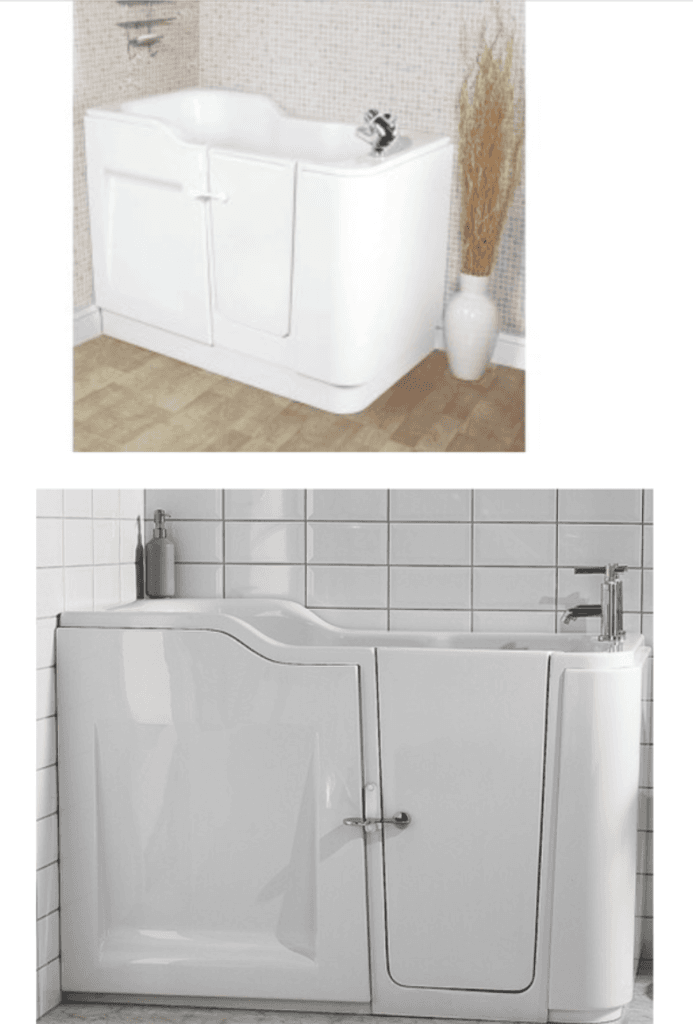
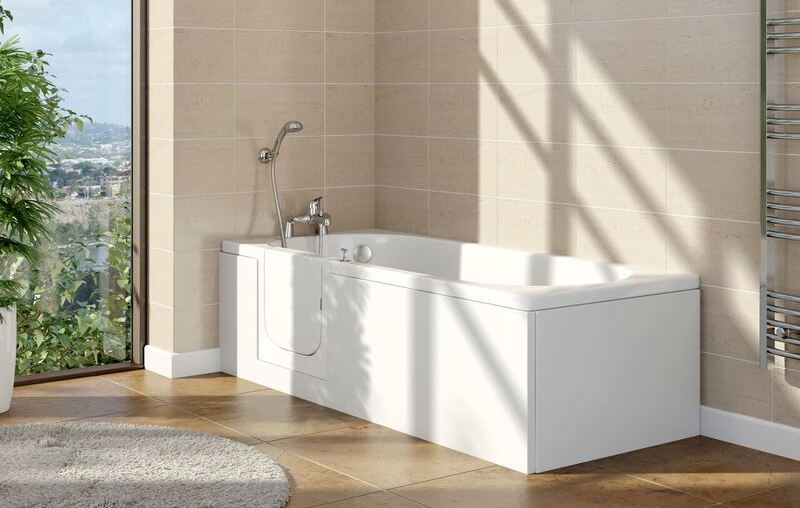
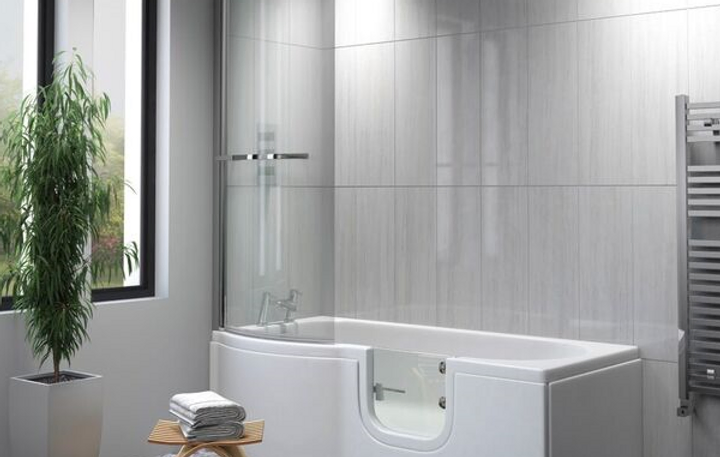
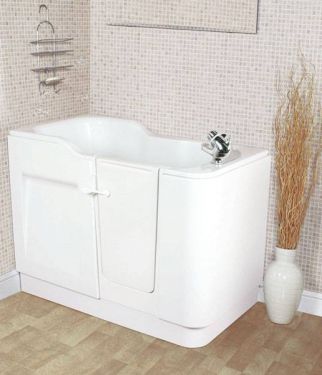
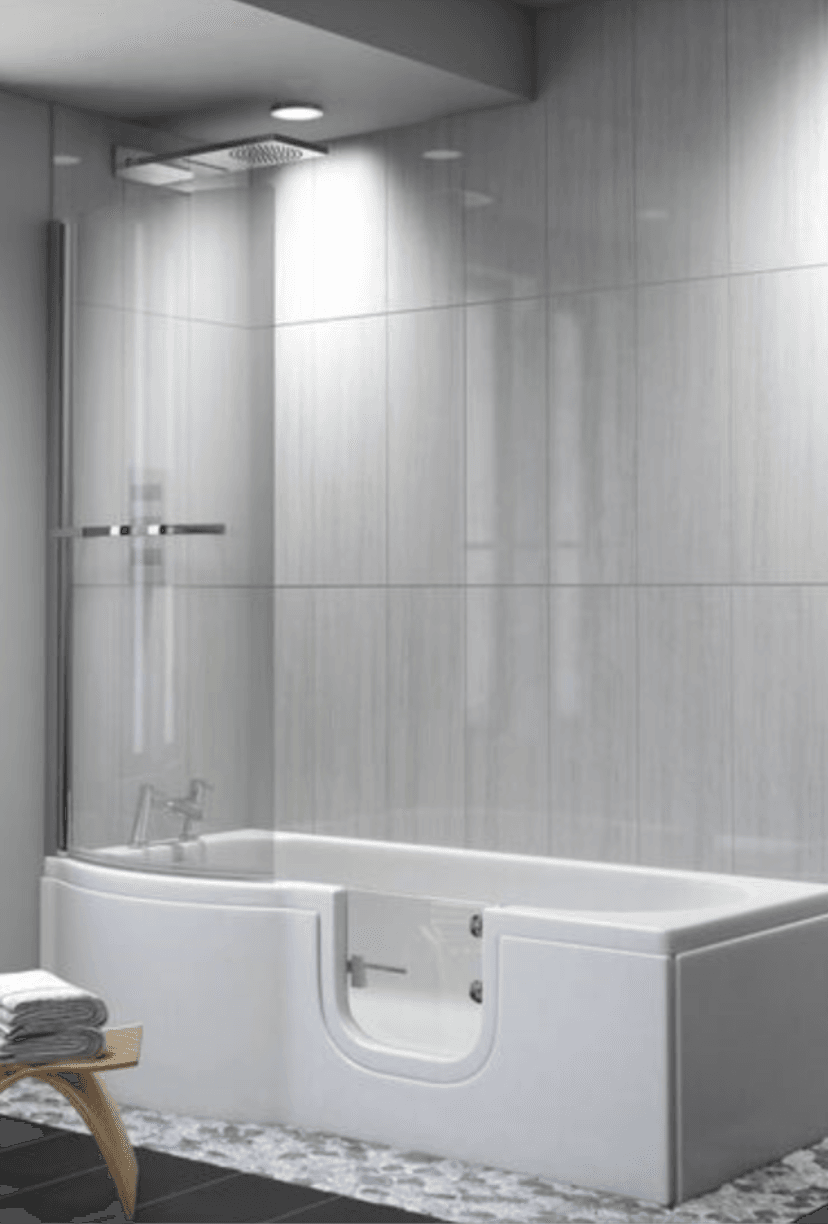
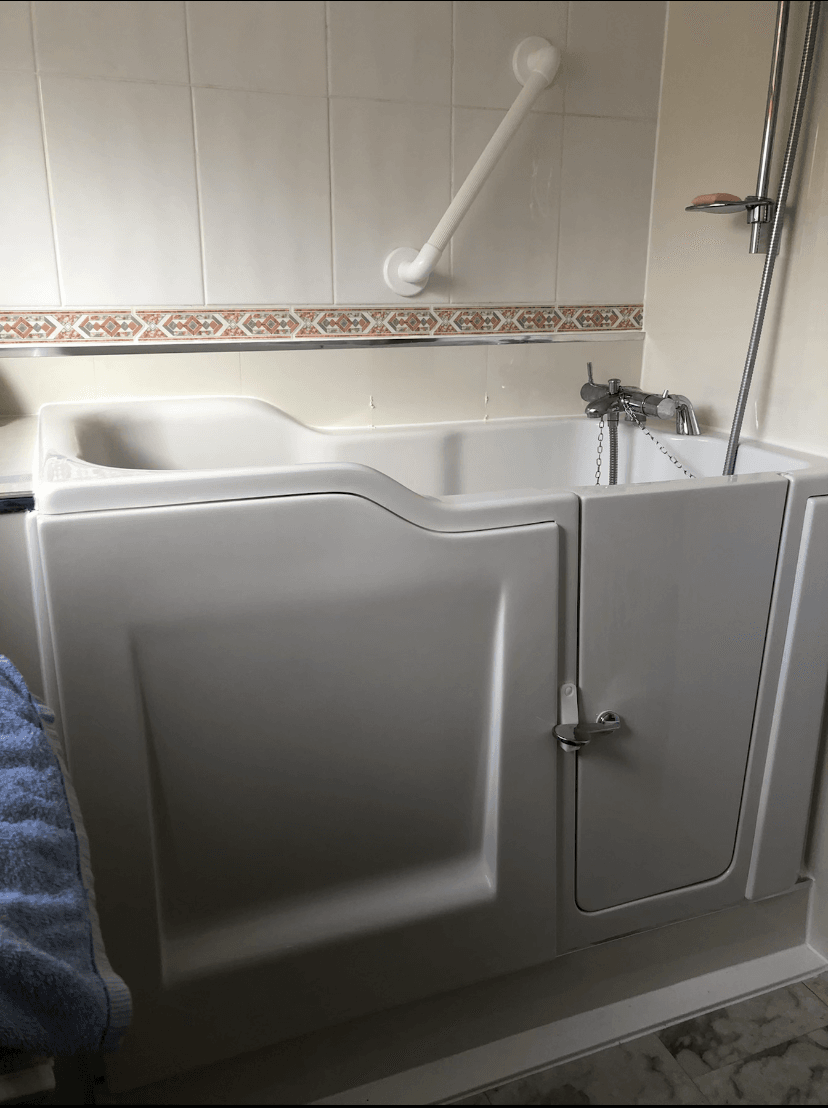
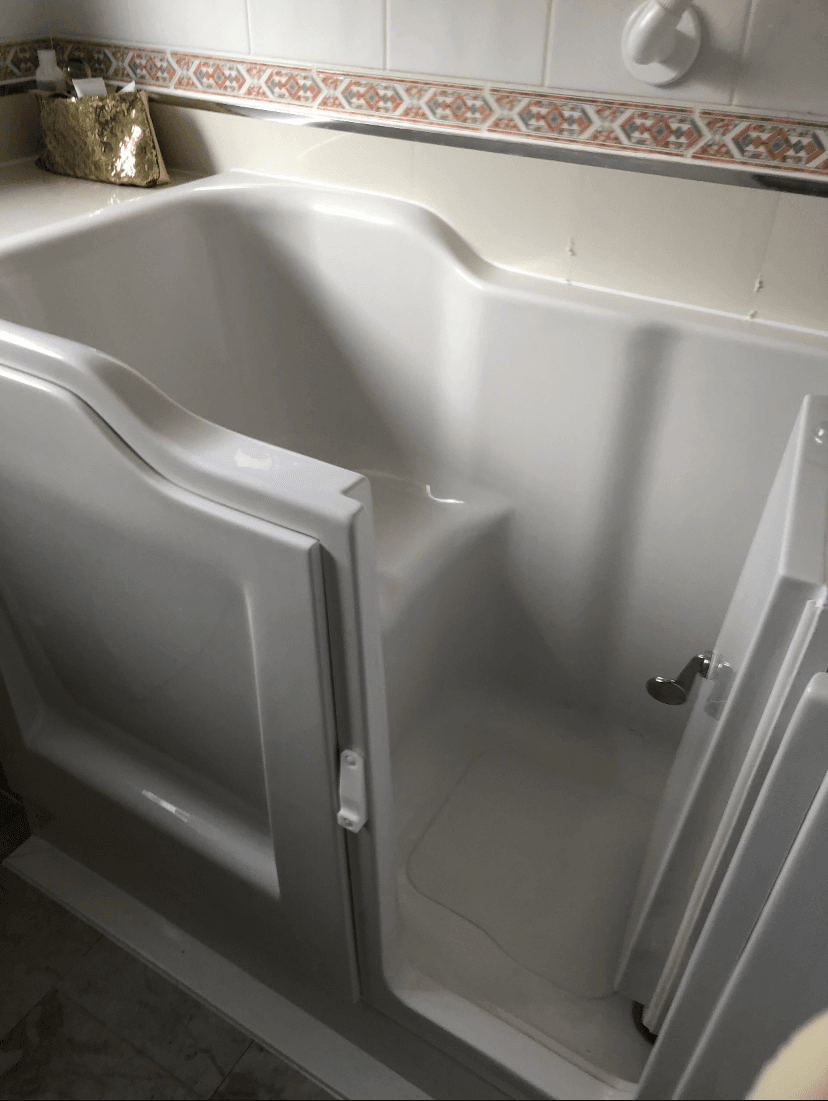
A walk-in bath has a low-level access door that allows you to step inside safely without climbing over a high side. Once seated, the door seals securely and the bath fills. After bathing, the water drains quickly before you open the door to step out.
2. Are walk-in bath doors completely watertight?
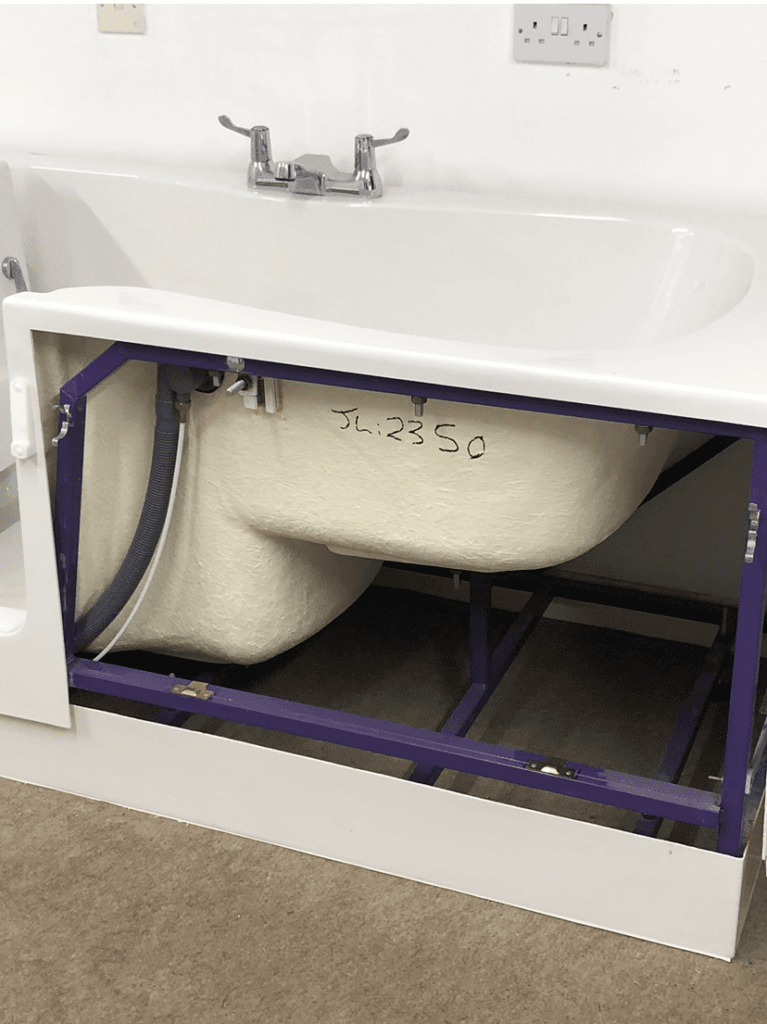
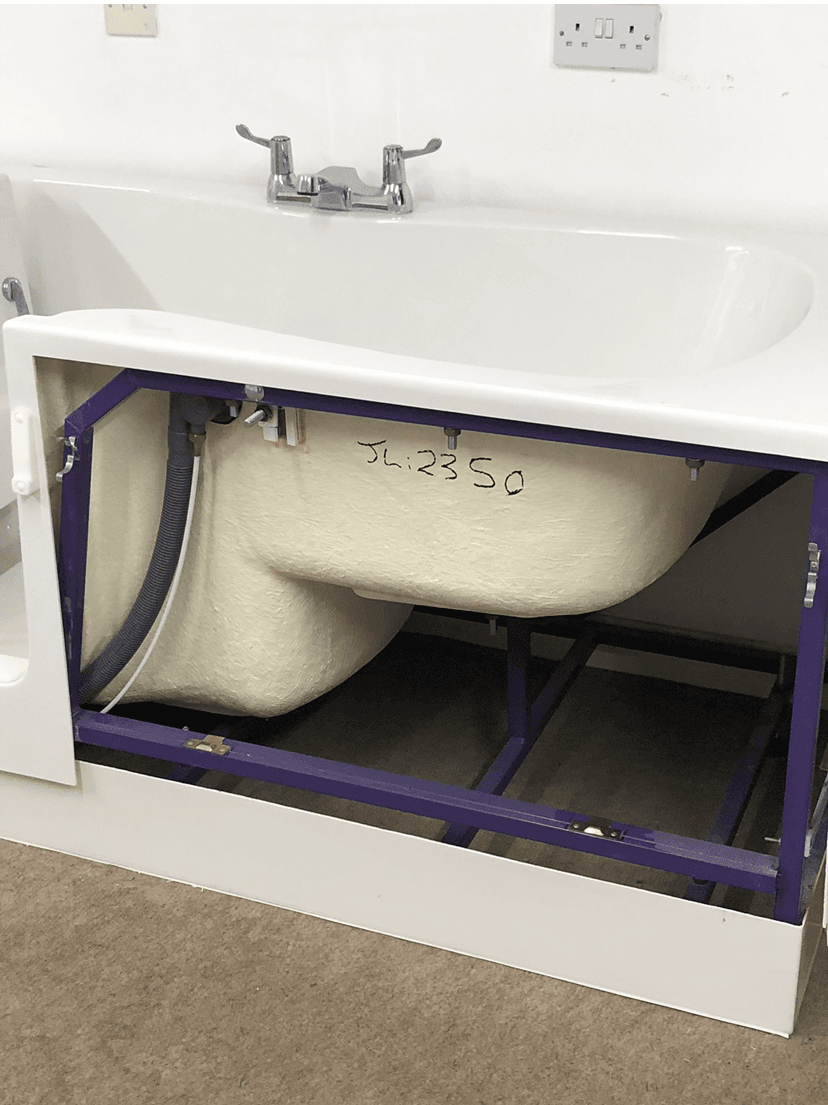
Yes. Walk-in baths use high-quality, pressure-sealed doors designed to create a secure, watertight seal when closed properly. They are tested to prevent leaks during normal use.
3. How long does a walk-in bath take to fill and drain?
Filling time depends on your home’s water pressure. Most models include fast-fill taps and quick-drain systems to reduce waiting time. Your installer can assess whether any plumbing upgrades would improve performance.
4. Can I still lie down in a walk-in bath?
Some models include a reclined or full-length design for a more traditional bathing experience. Others offer comfortable built-in seating for safer upright bathing. The right option depends on your mobility and bathroom space.
5. Are walk-in baths suitable for arthritis or joint pain?
Yes. Many customers with arthritis find walk-in baths easier and safer to use. Optional features such as warm air spa systems, hydrotherapy jets and ergonomic seating can provide additional comfort.
6. Will a walk-in bath fit in my existing bathroom?
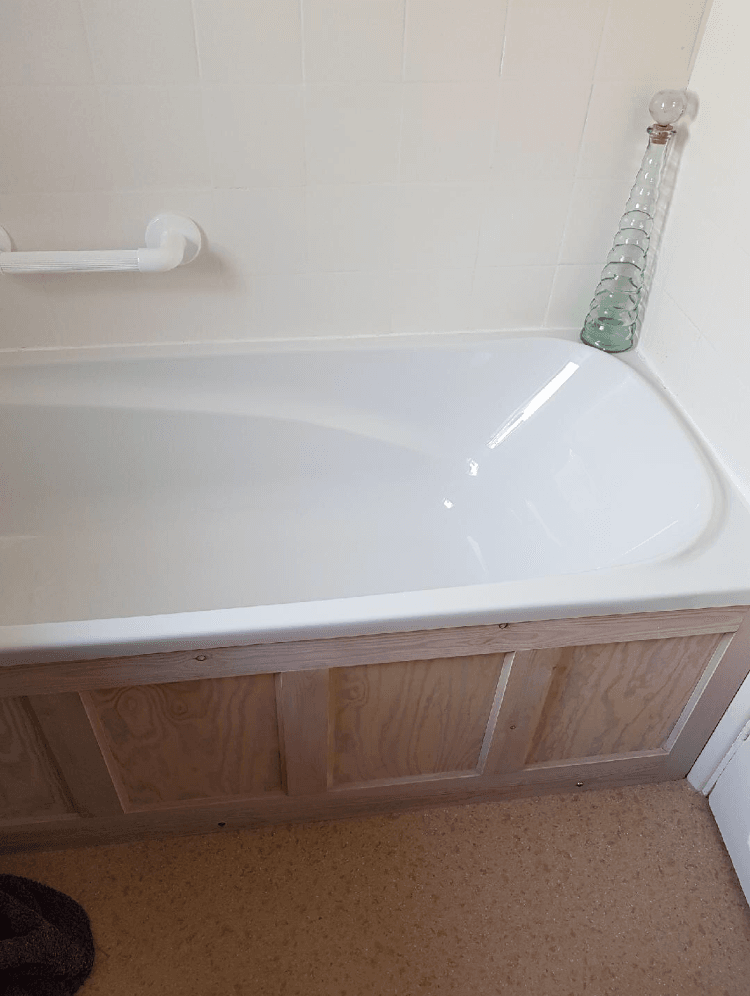
In many cases, a walk-in bath can replace your current bath using the same footprint. During a free home survey, measurements are taken to recommend a suitable model for your space.
7. How long does installation take?
Most walk-in bath installations are completed within a few days, depending on the complexity of the project and any additional bathroom upgrades required.
8. Do I need planning permission?
No. Walk-in bath installations do not normally require planning permission as they are internal home improvements.
9. Are walk-in baths safe?
Walk-in baths are designed with safety in mind, including low step entry, slip-resistant surfaces, built-in seating and optional grab rails.
10. Can carers assist easily?
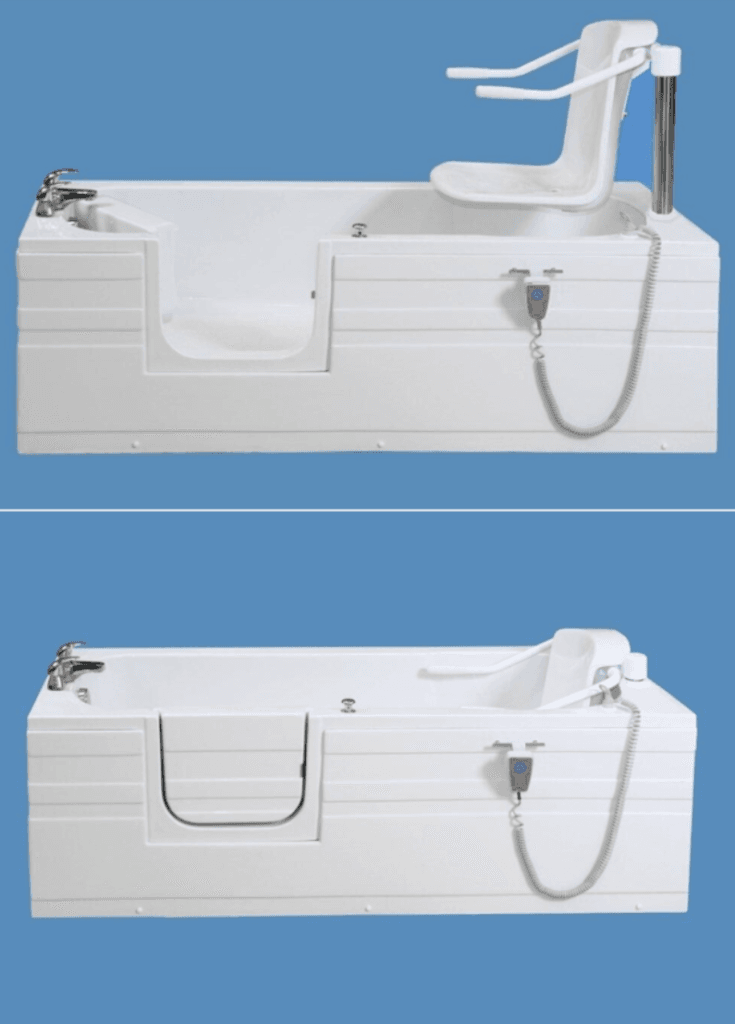
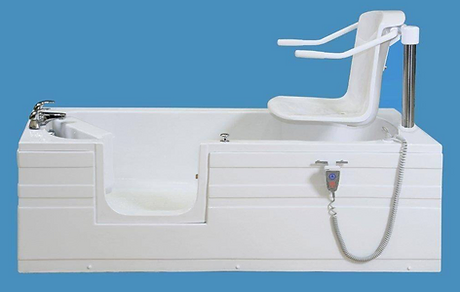
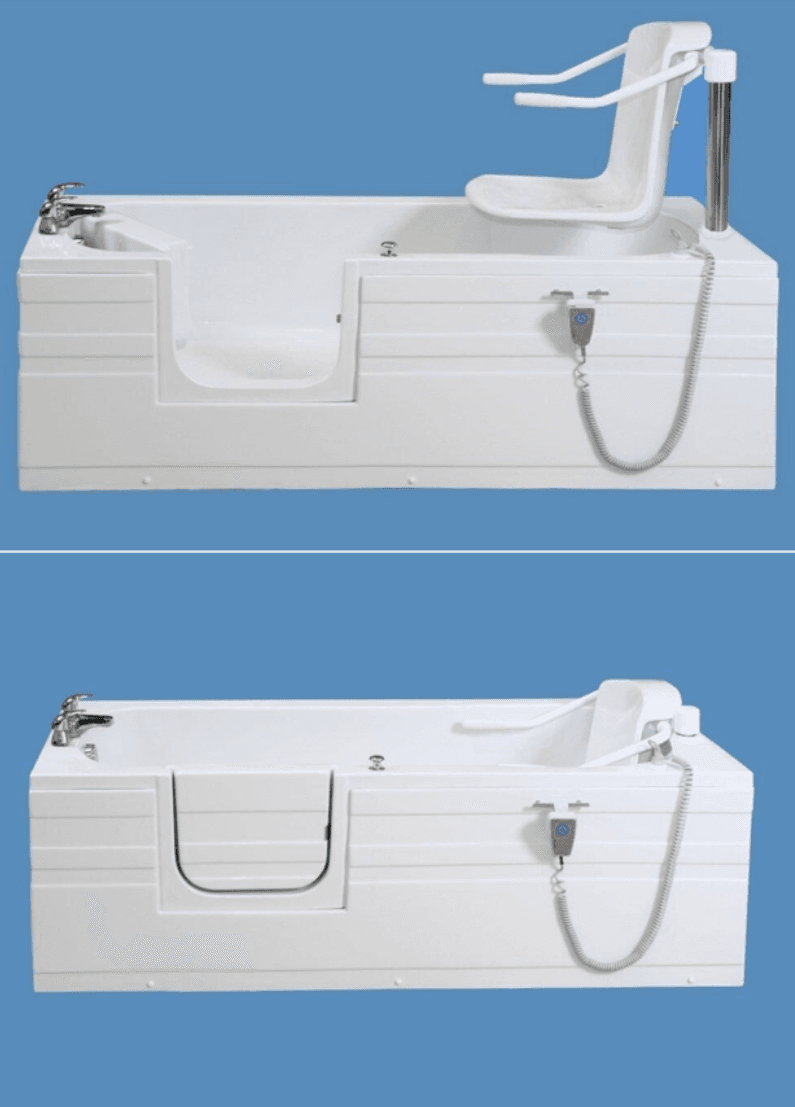
Yes. Many designs allow better access for carers compared to traditional baths, particularly when combined with support rails or powered seating options.